

The runner
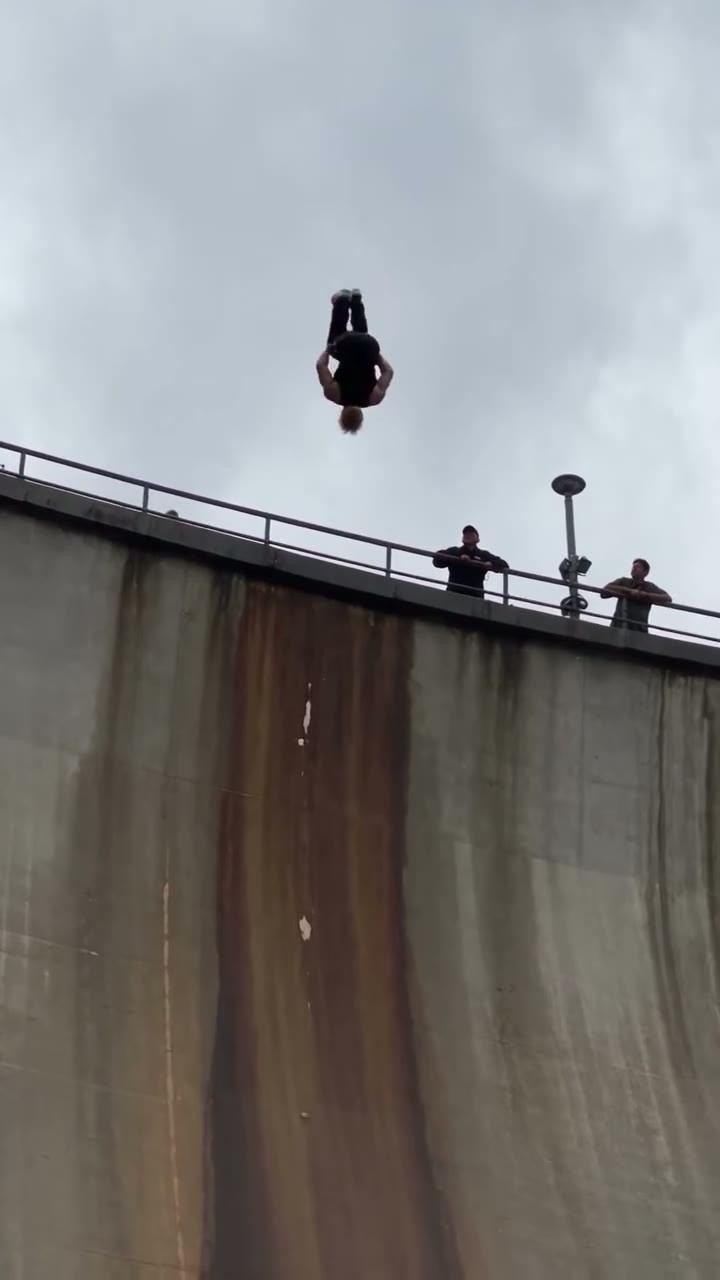
Sprints at the base of the dam face, carries the sprint straight up it, flips over the railing and walks back to camera.
Replaces the runner. The dam, the crowd and the camera stay.
AI Wall Run · the stunt running trend
One photo, one dam face, no gravity
Add one photo and you are the runner: a red-carpet start, a giant curved dam face, a crowd at the lip, and fourteen seconds of running up it like the wall is flat. Then the flip over the railing, the slide back down, and the walk to camera. It is AI, and pretending otherwise is the whole joke.
One continuous shot, no cuts. You start on the concrete apron at the foot of a giant curved dam face, sprint at it, and carry the sprint straight up the wall without slowing while the camera tilts up with you. At the top you launch over the railing, airborne against an overcast sky. You come back down the face with spray at your feet, land, and walk at the camera to point. The dam, the crowd, the barriers and the timing come from the reel; your face, hair and build come from your photo, and so does the close-up in the last second.
The runner
One photo, chest up. Your face carries over; the kit comes from the reel.
The apron, the climb, the flip, the walk back. One camera, no cuts.
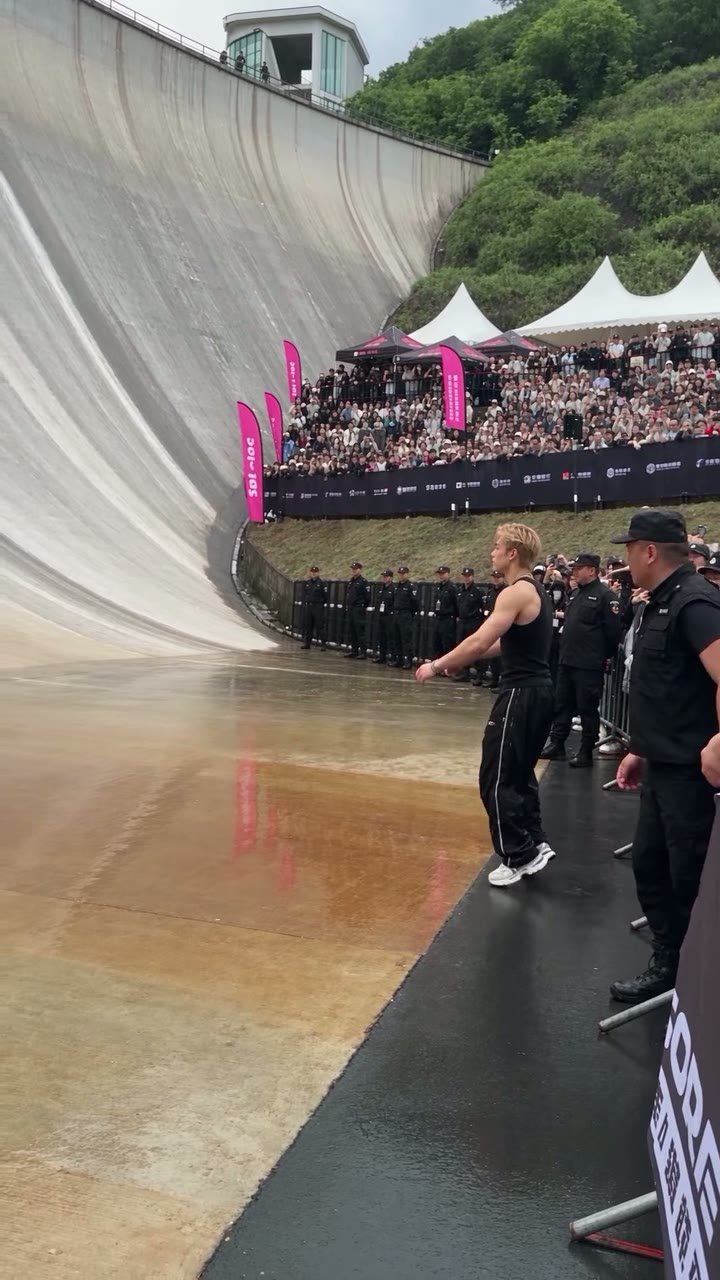
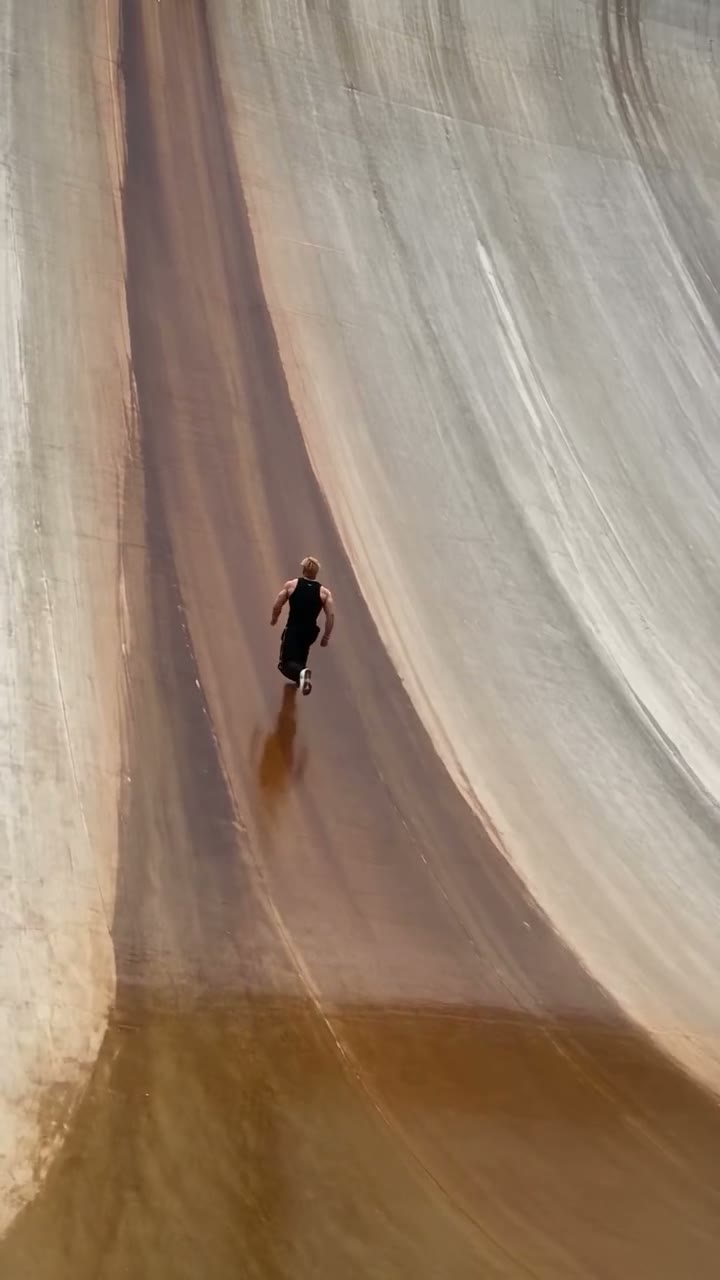
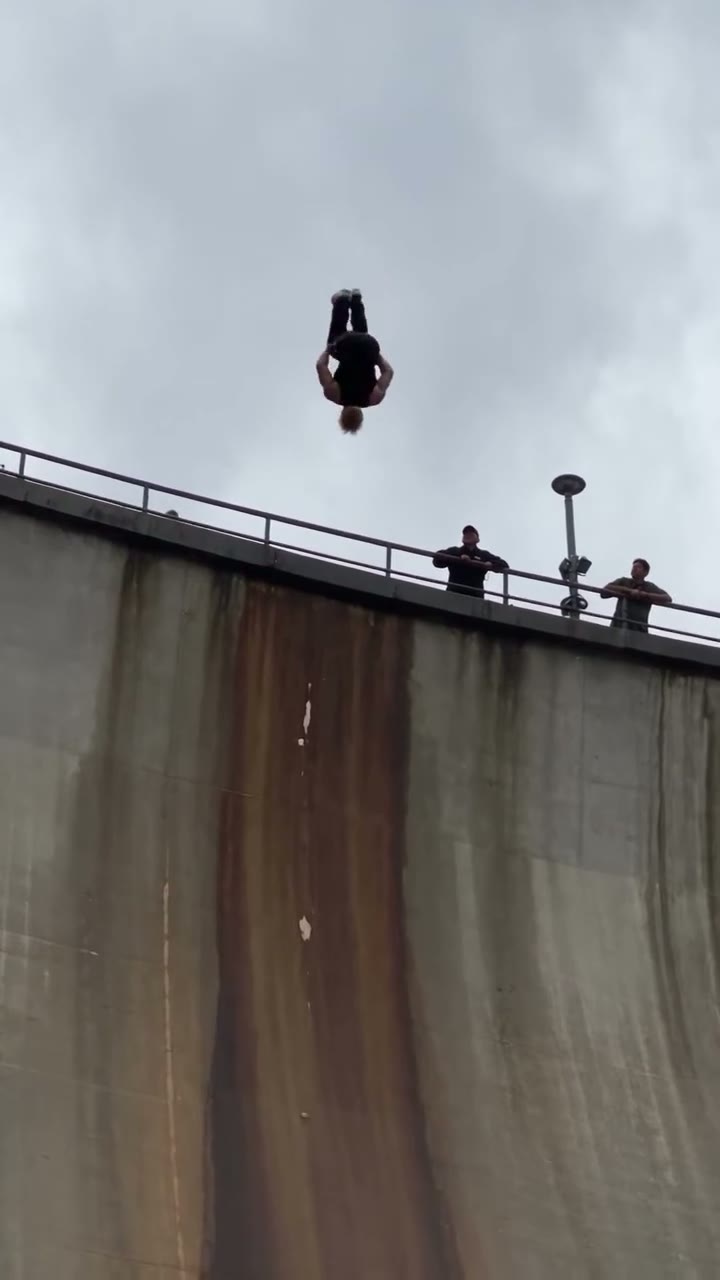
It is the stunt that broke the feed in October 2026: a runner charges at a stadium-sized wall or a dam face and runs up it, flips over the top and lands. Olympic-broadcast framing, a cheering crowd, a red carpet — and no human being has ever done it.
The fact-checkers got there fast. On 9 October 2026 Lead Stories published a prebunk titled “Stunt Running Videos Took An Off-Ramp From Reality”, updated on 12 October, naming the accounts and the hashtags behind the wave and concluding the clips are not real stunts. That is the useful part: the trend is not a hoax people fell for, it is a format people knowingly play along with.
What followed is the template wave. The reel the generators are built on landed on Instagram on 23 October 2026, and by the first week of November there were at least three services selling one-photo versions. Ours keeps the same single take and ships silent, so you add the crowd sound or the song yourself.
One photo, one button, and a wall that should not be runnable.
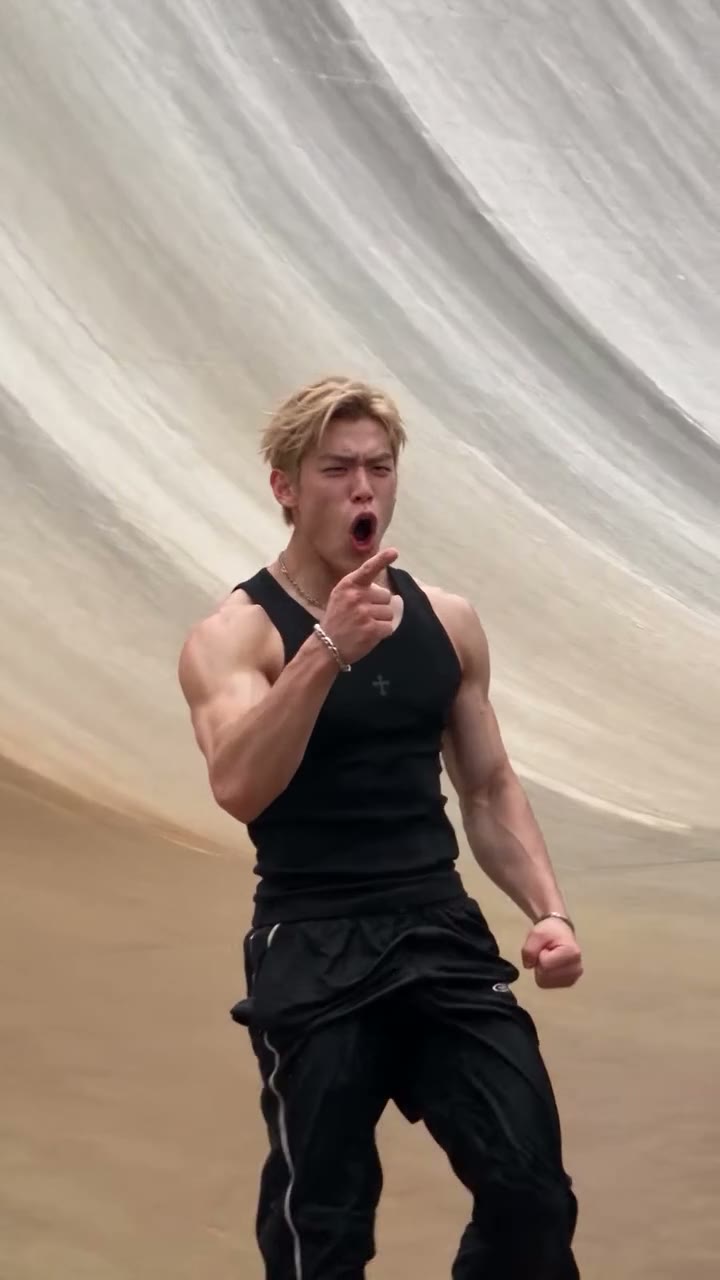
Face clear, chest up. Your face, hair and build carry over to the runner; the black singlet, the track pants and the trainers come from the reel.
480p to test, 720p to post, 1080p for the upscale. The credit cost sits on the button before you pay.
The clip ships silent — the crowd and the announcer belong to whoever recorded it. Lay a crowd roar or a stadium track over it, and label the result as AI.
One photo replaces the runner for the whole fourteen seconds. The wardrobe is fixed — black singlet, black track pants, white trainers — because that is the athletic look the trend is built on. You are small in frame for the climb and filling it in the last second, which is where the identity lands.
The runner
Sprints at the base of the dam face, carries the sprint straight up it, flips over the railing and walks back to camera.
Replaces the runner. The dam, the crowd and the camera stay.
One clear photo of one person, chest up is enough.
Same portrait rules as every other effect on the site. Tiny Desk AI photo requirements
Fourteen and a half seconds against a fourteen and a half second reference is twenty-nine billed seconds, the longest render on the site: 7 credits at 480p, 16 at 720p, 26 at 1080p. One $14.99 pack covers a 720p video.
| Cast | 480p | 720p Best value | 1080p |
|---|---|---|---|
| 1 personOne photo, one wall | 7credits | 16credits | 26credits |
Priced per finished video. 1080p is an AI upscale of the 720p master.
Credit packs: 7 credits for $6.99, 16 for $14.99, 50 for $44.99. Credits last 12 months. Pricing
The rest of the site explains where the clips came from and the other effects.
One photo, one dam face, and fourteen seconds of physics you do not have to explain.
Make my wall run video