
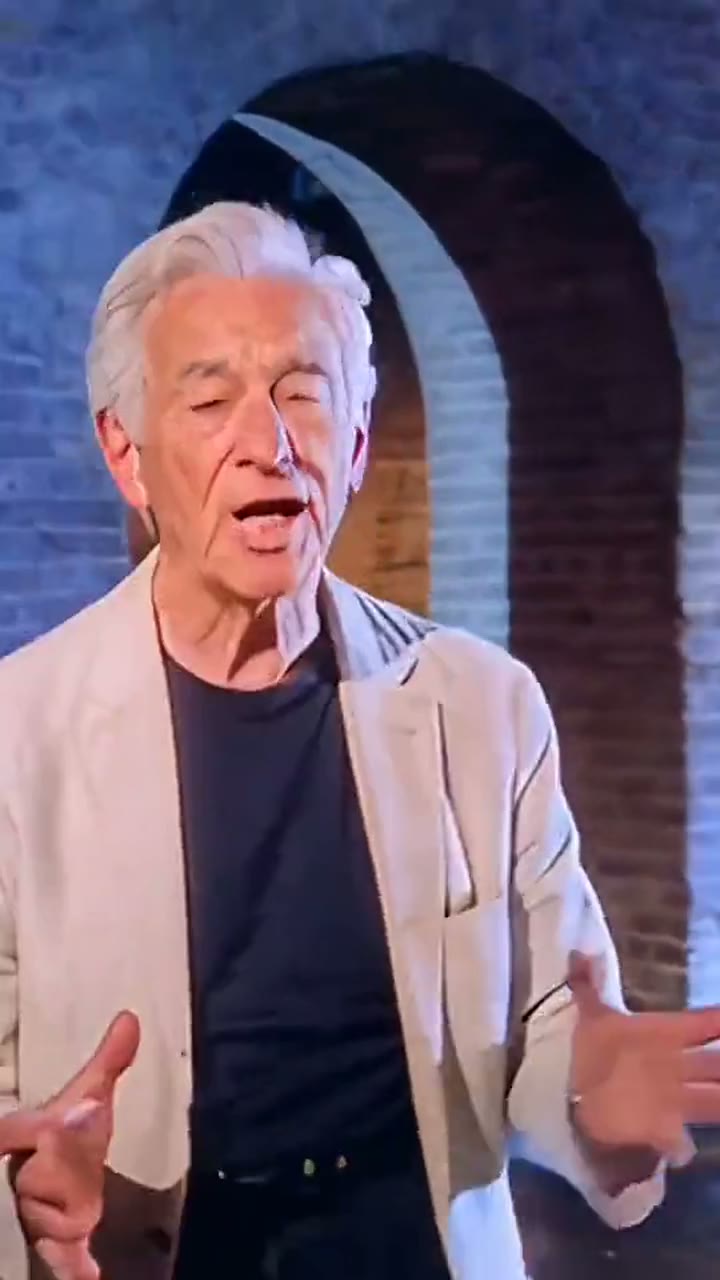
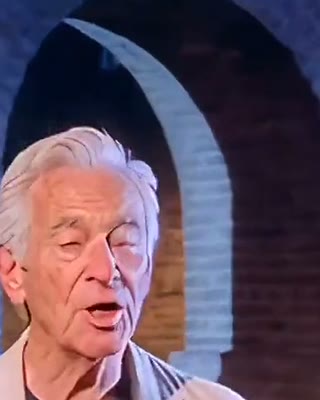
The singer
Sings to camera under the brick arches, walks the fence, then walks toward the camera and points.
Replaces the singer in all four shots. The two locations, the light and the clothes stay.
Rick Roll AI · one photo into the 1987 video
One photo, four shots, and everybody gets got
Add one photo and you are the singer: cream blazer, blue-lit brick arches, a sunlit chain-link fence, and the walk toward the camera with the point. Eight seconds of the most recognisable look on the internet, with your face in it instead of Rick Astley’s.
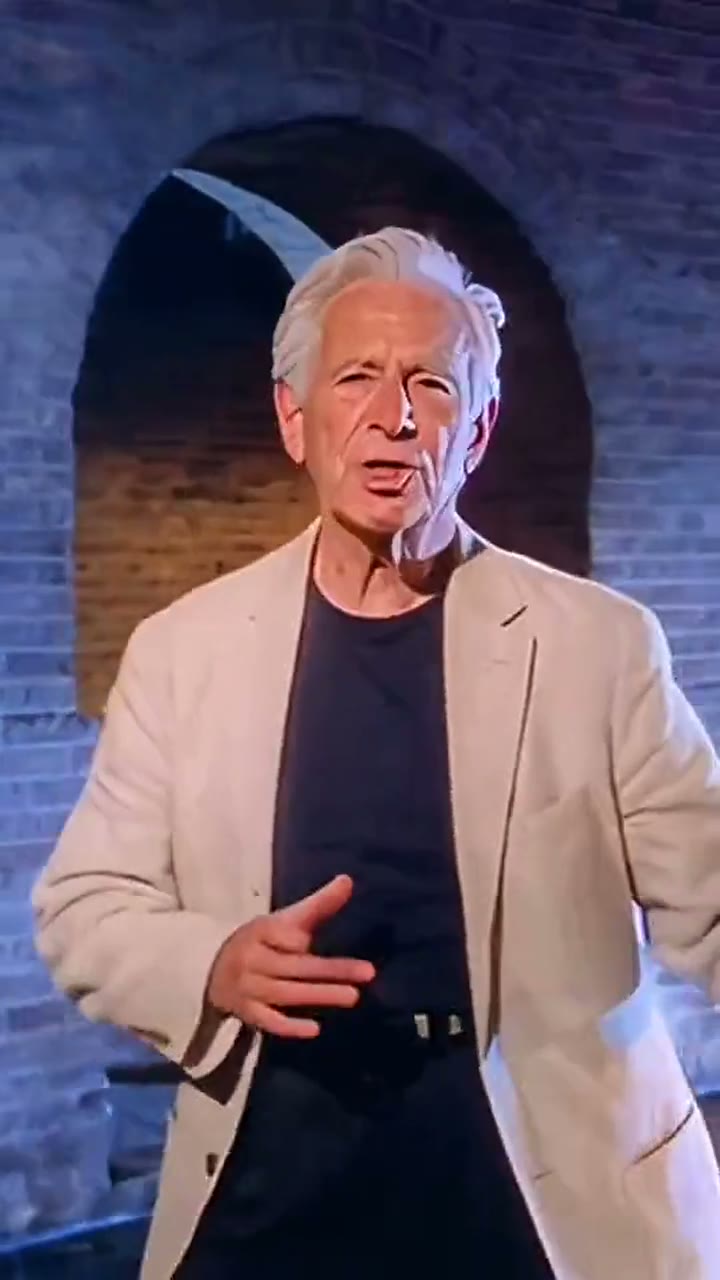
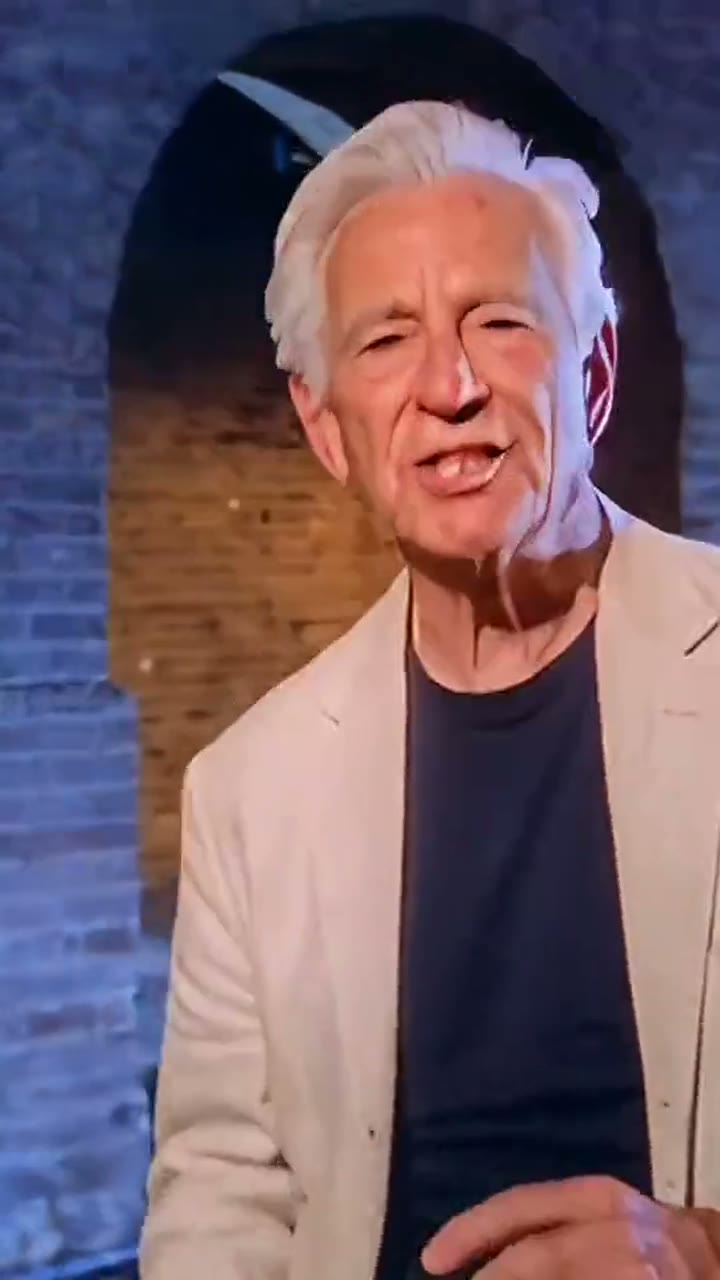
Four shots in eight seconds. First a medium shot in front of a red-brick wall with tall blue-lit gothic arches, singing to camera. Then a hard cut to a sunlit chain-link fence with leaf shadows, walking across and gesturing. A closer shot on the same fence, stepping on the beat. Then back to the archway, wide, walking toward the camera and pointing at it. The two locations, the light, the cut points and the clothes come from the clip; your face, hair and build come from your photo.
The singer
One photo, chest up. Your face and hair carry over.
The archway, the fence, the step, the point. Four shots, three hard cuts.
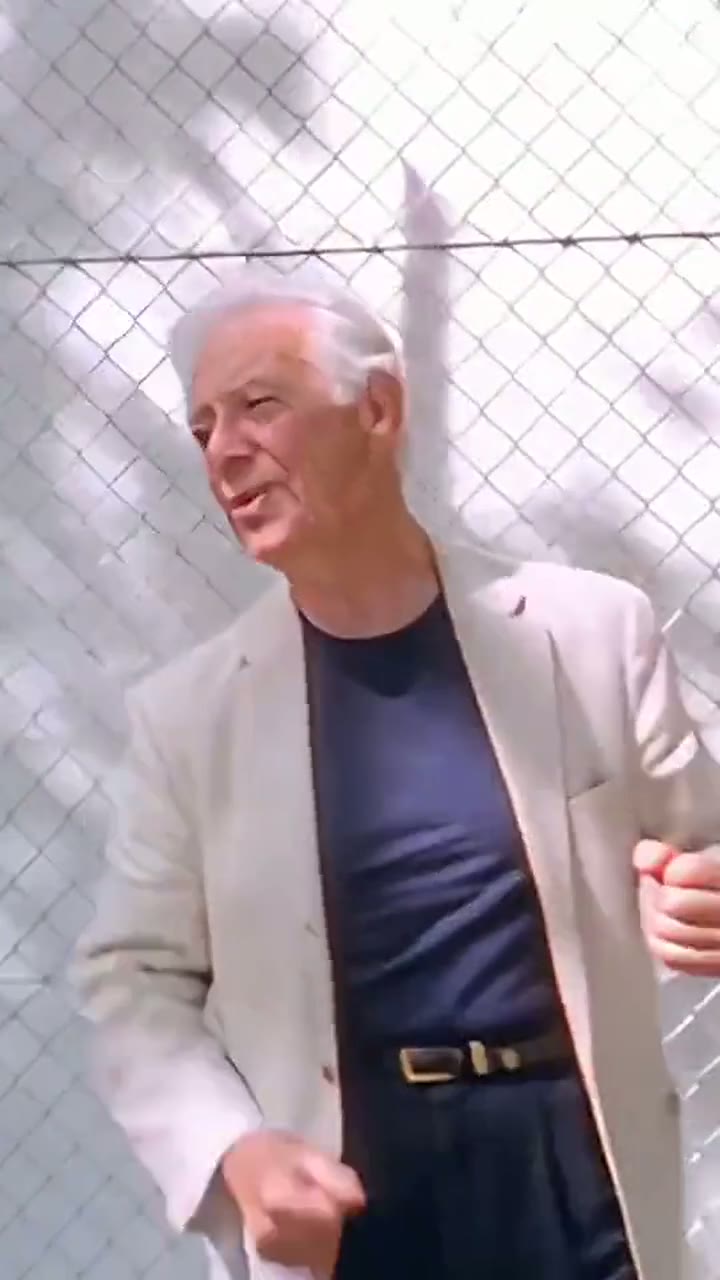
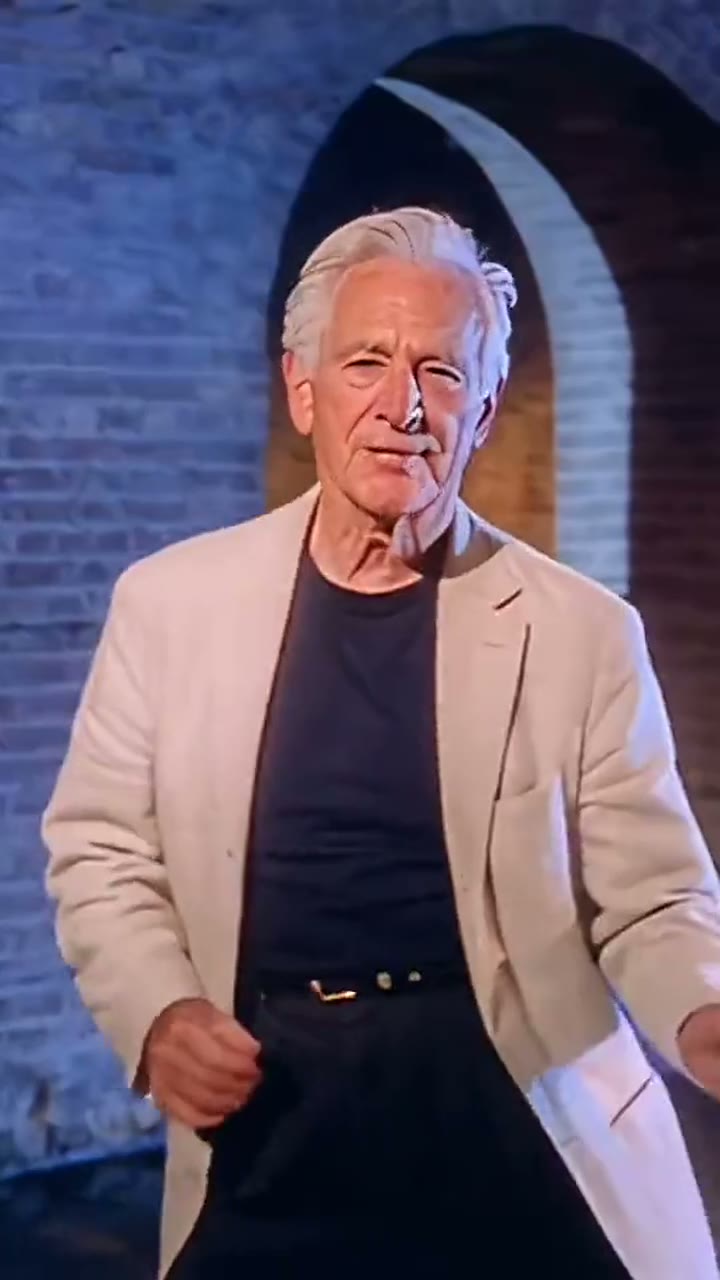
Rickrolling is the oldest prank on the internet: you send a link that looks like something else and it opens Rick Astley’s 1987 “Never Gonna Give You Up”. It has been running since 2007 and the video has more than 1.8 billion views, which makes it the most-watched thing this site has ever pointed at.
What is new is the recast. In late 2026 people started putting their own photos into the video’s look — the cream blazer, the blue-lit brick arches, the chain-link fence, the walk and the point — so that the person being rickrolled is the person you sent it to. A template clip in exactly that look has been circulating since October, and template sites started selling one-photo versions in early November.
Nothing about the original clip is licensed to us, and neither is the song. That is why this template ships silent and clean: you add the track on the platform, where the audio stays credited to the people who made it.
One photo, one button, and no 1987 haircut required.
Face clear, chest up. Your face, hair and build carry over; the blazer and the two locations come from the clip.
480p to test, 720p to post, 1080p for the upscale. The credit cost sits on the button before you pay.
The clip ships silent — the record is licensed. Add “Never Gonna Give You Up” from the platform’s own library when you post, so the audio credit stays with Rick Astley.
One photo replaces the singer in all four shots, on both sides of every cut. The performer in the reference is not a real person — it is an AI-made stand-in wearing the 1987 look — so there is no real face to inherit, only the clothes, the two locations and the choreography.
The singer
Sings to camera under the brick arches, walks the fence, then walks toward the camera and points.
Replaces the singer in all four shots. The two locations, the light and the clothes stay.
One clear photo of one person, chest up.
Same portrait rules as every other effect on the site. Tiny Desk AI photo requirements
Eight seconds against an eight second reference is sixteen billed seconds: 5 credits at 480p, 9 at 720p, 15 at 1080p. One $14.99 pack covers a 720p video with credits left over.
| Cast | 480p | 720p Best value | 1080p |
|---|---|---|---|
| 1 personOne photo, four shots | 5credits | 9credits | 15credits |
Priced per finished video. 1080p is an AI upscale of the 720p master.
Credit packs: 7 credits for $6.99, 16 for $14.99, 50 for $44.99. Credits last 12 months. Pricing
The rest of the site explains where the joke came from and the other effects.
One photo, eight seconds, and the oldest joke on the internet with a new face on it.
Make my Rick Roll