
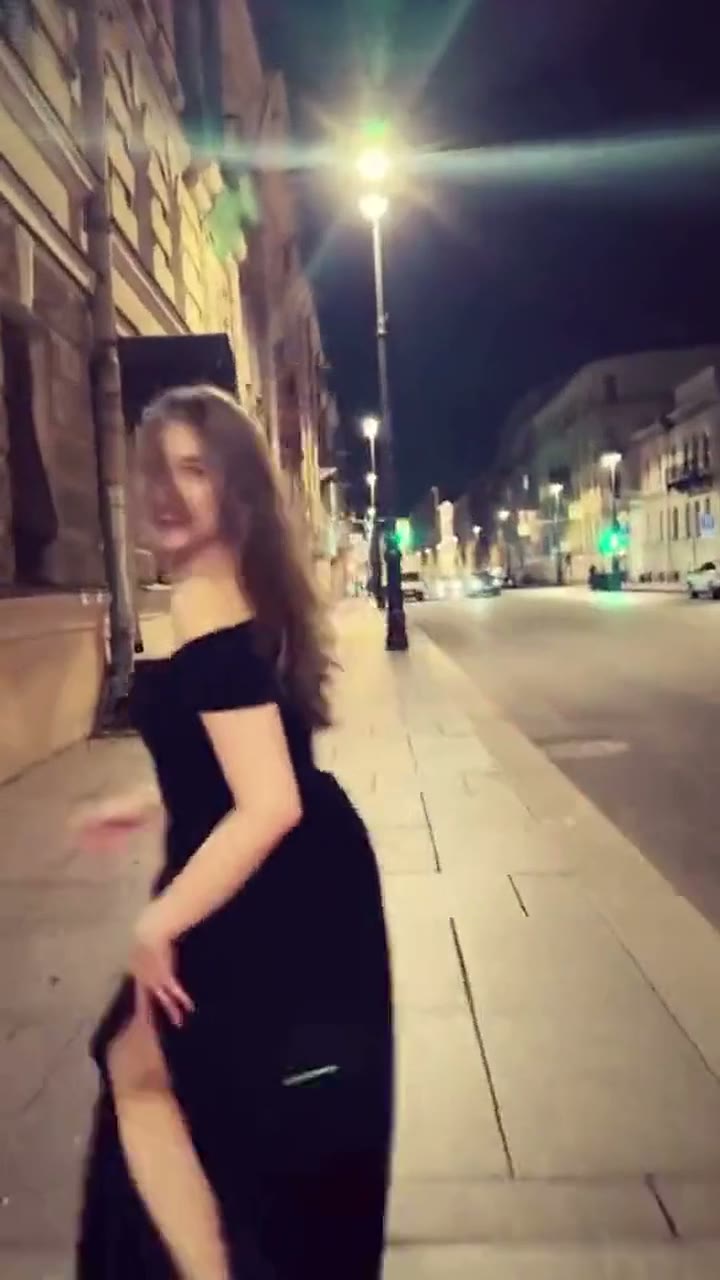
The runner
Runs the lamp-lit street at night in the black dress, glances back, then turns to the camera and smiles.
Replaces the runner. The dress, the street and the camera stay.
Yes Yes I Love You AI · the night run
One photo, thirteen seconds, one look back
Upload one photo and you run the lamp-lit street in the black dress: the camera chases you from behind with your hair flying, a hard cut lands you on the sidewalk running at the lens, and at three seconds you turn back with a big smile before you walk away into the dark.
Two shots and one hard cut. The camera runs behind you down the middle of the street and you glance back over your shoulder; the cut then lands you on the stone sidewalk running toward the lens, where at about three seconds you turn back with a big smile, one hand holding the side of the dress, and then turn away and walk on under the lamps, hair blowing, fading to black. Your photo replaces the runner. The street, the light, the dress and the camera stay exactly as they are.
The runner
One clear photo, face and hair visible.
The run, the look back, the walk away. Only the runner changes.
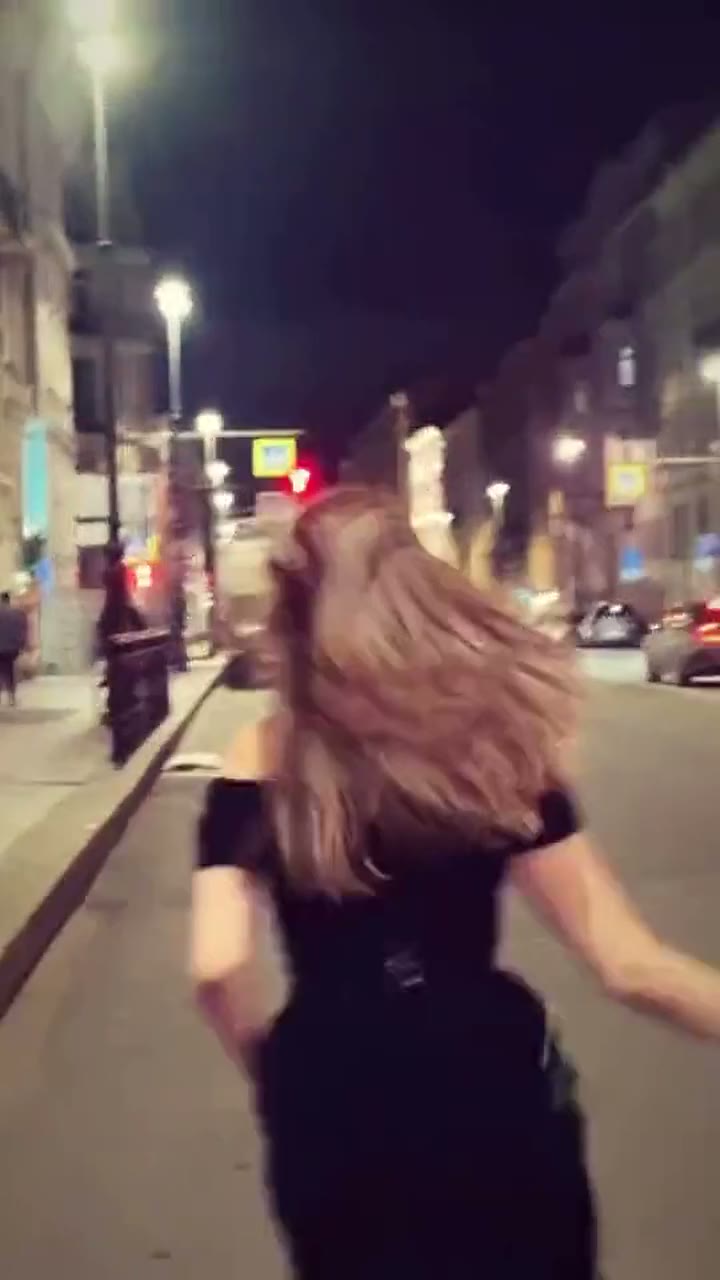
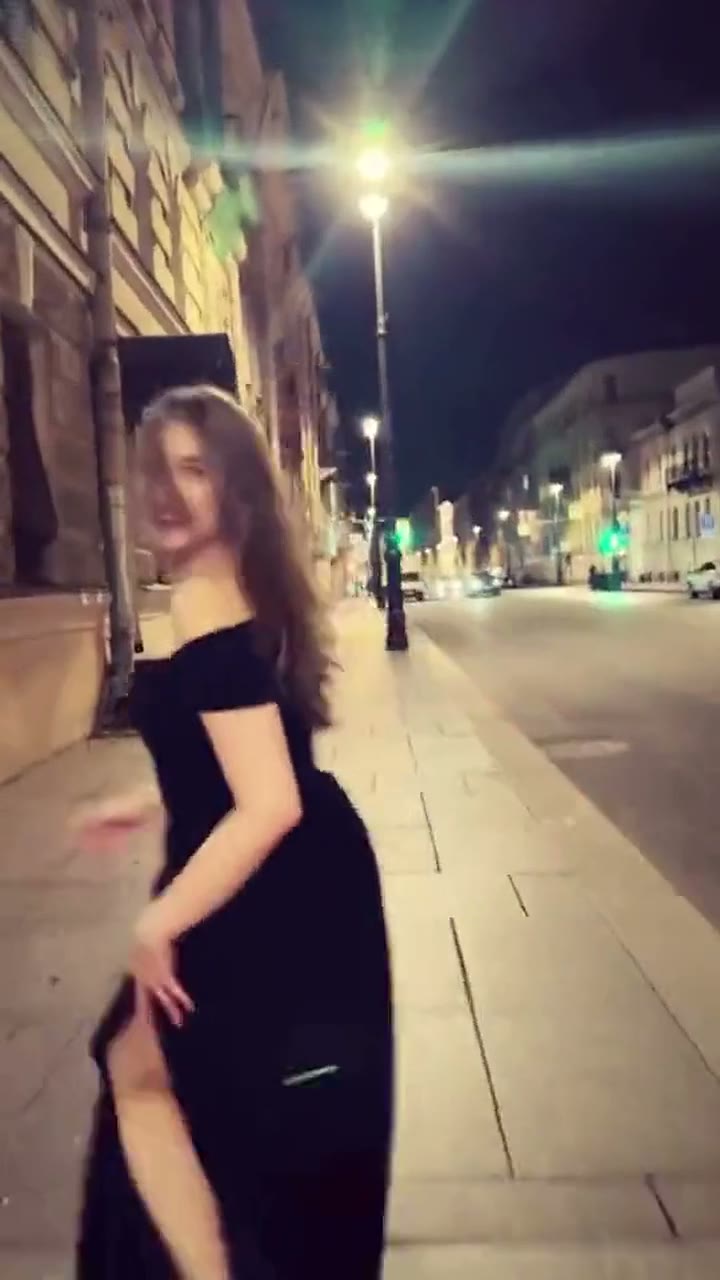
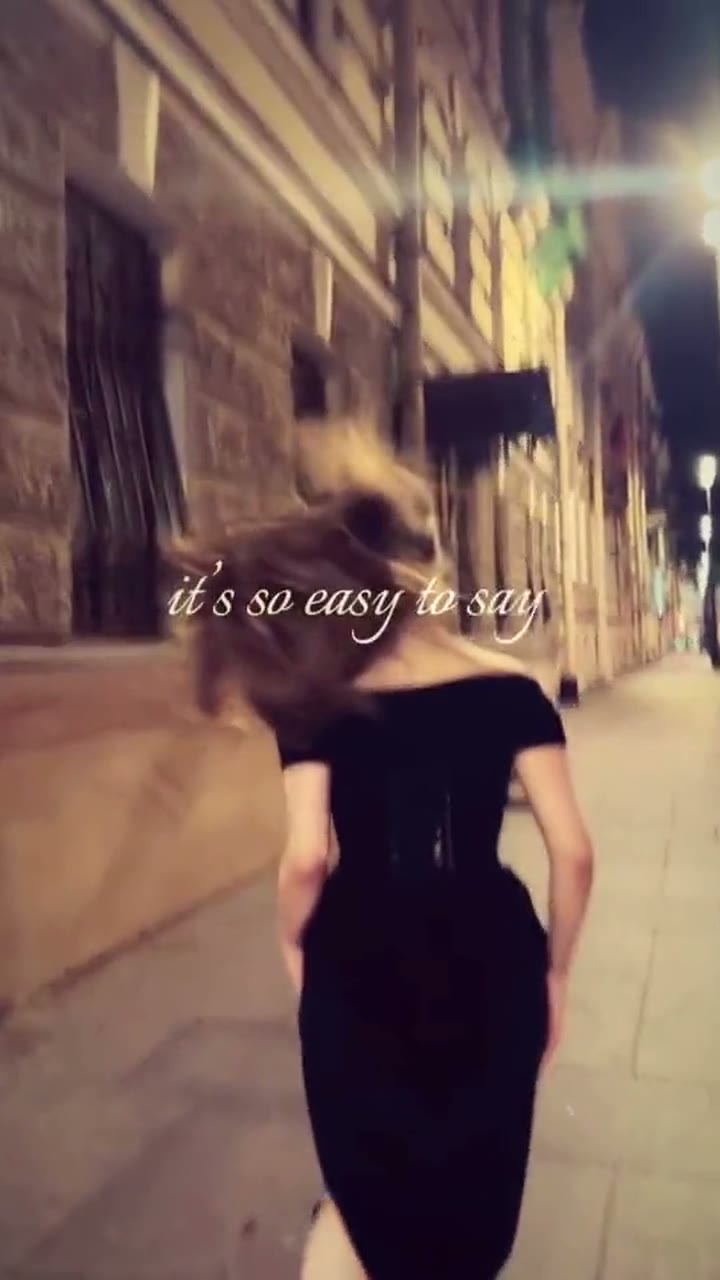
It is a thirteen second night run in a black off-shoulder dress, cut to a slowed 1994 Italian song whose chorus goes “Yes, yes, I love you, it's so easy to say and to do”. The song is Adriano Celentano's “Ja tebia liubliu” — Russian for “I love you”, from the album Quel punto — and that chorus is why everyone searches for it as “yes yes I love you”.
The sound came back first. A lyric clip of the song posted on TikTok on 14 August 2026 passed 2.9 million views and 380,000 likes, and slowed edits and CapCut lyric templates followed through October. Then on 14 October 2026 a photographer posted the reel this page copies — the run, the look back, the smile — and the comments under it asked for a template rather than a tutorial. That is the moment the trend turned from a song people edit to into a clip you put yourself in.
It works as a template for a simple reason: the face is only on screen for about a second. The other twelve seconds are hair, dress, street lamps and walking away, so one still photo is genuinely enough — and a photo that shows your hair clearly matters as much as your face.
One photo and one button. The shot is already decided, so there is no prompt to write.
Face and hair both matter: you are seen from behind for most of the clip and turn to the camera once. Show your hair colour and length, with no cap and no sunglasses.
480p to test, 720p to post, 1080p for the upscale. The credit cost sits on the button before you pay.
The render arrives with the sound from the demo, muxed back on after the video is generated. The audio belongs to its rights holders, so post it as fan content and keep it personal.
One seat, because the camera follows exactly one person. The black dress, the street and the lamps all come from the reel; the runner is the only thing that comes from your photo. The prompt names the original woman's long wavy chestnut hair and discards it, so your hair is the one that flies.
The runner
Runs the lamp-lit street at night in the black dress, glances back, then turns to the camera and smiles.
Replaces the runner. The dress, the street and the camera stay.
This is the one effect on the site where your hair does as much work as your face.
Same portrait rules as every other effect on the site. Tiny Desk AI photo requirements
Thirteen seconds against a thirteen second reference is twenty-six billed seconds: 6 credits at 480p, 14 at 720p, 24 at 1080p. One $14.99 pack covers a 720p video.
| Cast | 480p | 720p Best value | 1080p |
|---|---|---|---|
| 1 personOne photo, one runner | 6credits | 14credits | 24credits |
Priced per finished video, never per seat. 1080p is an AI upscale of the 720p master.
Credit packs: 7 credits for $6.99, 16 for $14.99, 50 for $44.99. Credits last 12 months. Pricing
The rest of the site explains the song, the source reel and the other effects.
One photo, thirteen seconds, and the look back that the whole trend is built on.
Make my night run